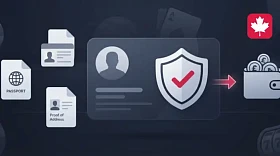
Alberta’s Regulated Online Gambling Market Officially Goes Live



On July 13, Alberta launched a regulated iGaming market, allowing private online casinos and sportsbooks to legally accept wagers from provincial residents. It became the second Canadian jurisdiction after Ontario to adopt this model. Previously, local players had access to the government-run PlayAlberta platform, while a significant share of the audience used offshore sites without a local licence.
Business interest was strong. Nearly 50 companies paid the registration and authorization fees, which totalled C$200,000 per operator — approximately US$141,000. However, only around 20 brands were fully prepared by the launch date. The others will be able to enter the market later, once they complete registration, pass AGLC vetting, and sign a commercial agreement with Alberta iGaming Corporation.

The reform’s main objective is to move players away from the grey market. According to government estimates, unlicensed platforms previously accounted for around 70% of online gambling in the province. Private operators must now comply with local rules on customer protection, advertising, and responsible gambling.
One of the key changes is a centralized self-exclusion system. Users will be able to restrict their access to all regulated online platforms at once and, where necessary, to land-based casinos as well. Operators must also allow players to set financial and time limits, monitor signs of risky behaviour, and provide account transaction histories.
The new requirements did not suit everyone. Estonian operator Coolbet decided to withdraw from Alberta on the eve of the regulated market’s launch, directly linking its departure to the changes in local rules. This is one of the first examples of the new model beginning to clear up the market even before the transition period has ended.
The province will retain 20% of net iGaming revenue, leaving the remaining 80% to operators. An additional 2% of gross gaming revenue will support First Nations, while another 1% will fund research, prevention, and treatment related to problem gambling. The government forecasts that the new system will generate around C$76 million for the provincial budget in its first year, equivalent to approximately US$53.5 million.
Mark Patterson is the news writer at CasinosInCanada who covers the latest developments in the iGaming industry, including casino launches, regulations, and market updates.