World Cup Water Breaks Became Sportsbook Ad Windows



Short water breaks during 2026 World Cup matches unexpectedly became some of the busiest periods for betting. According to a Novarum study, interest in wagering rose by 60–150% during those three minutes compared with the rest of the match.
Analysts examined changes in search activity and sportsbook engagement throughout the matches. They found that viewers were more likely to search for operators and place bets precisely when play stopped and their attention shifted from the pitch to the broadcast and advertising.
Brands featured in advertising integrations saw especially noticeable growth. The report mentions Betano and BetWarrior: the number of searches connected with them rose sharply during the breaks.
Betsson, which did not appear in those placements, did not experience a similar spike, according to the analysts. The contrast suggests that the effect was not simply caused by viewers having a free moment, but also by which brand was placed in front of them at that time.
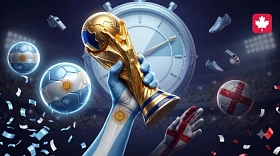
FIFA introduced three-minute water breaks in every match at the 2026 World Cup. Referees usually stopped play at around the 22nd and 67th minutes. Players went to the touchline, drank water, and received instructions from the coaching staff.
For teams, the breaks offered a chance to recover and make quick tactical adjustments. For broadcasters and sponsors, they created a ready-made window in which viewers were no longer following the ball and were considerably more receptive to advertising.
That is why critics argue that these stoppages not only disrupt the rhythm of the match but are also gradually becoming disguised commercial breaks. Novarum’s figures partly support that criticism: three minutes without football proved highly valuable to sportsbooks.
Ryan Mitchell is the esports manager at CasinosInCanada who covers competitive gaming events, esports tournaments, and industry trends.