Gambling Has Reached Chess.com: Ads Get Through Even When the Category Is Banned



Chess and gambling have long moved in the same circles. Not in the sense of roulette on the board, but in a subtler logic: risk, calculation, a stake on the outcome, and faith in your own analysis. That is why gambling advertisers’ interest in the chess audience does not look all that accidental. Especially when the platform is Chess.com — the largest online chess site, where millions of players of different levels spend their time.
Formally, the “Gambling” category on Chess.com is banned as an advertising placement. In other words, it should not be possible to go there directly with a gambling creative. But in practice, judging by user examples, some ads still seep through adjacent categories — for example, “Finance” or “Games”.
The setup looks fairly simple: if a creative cannot be submitted as gambling, it is packaged differently. In some cases it is presented as a financial product, in others as a game mechanic, and elsewhere as a quasi-investment story. In the end, a user comes in to play a game and gets an ad that, in substance, still points toward bets, prediction markets, or more explicit gambling.
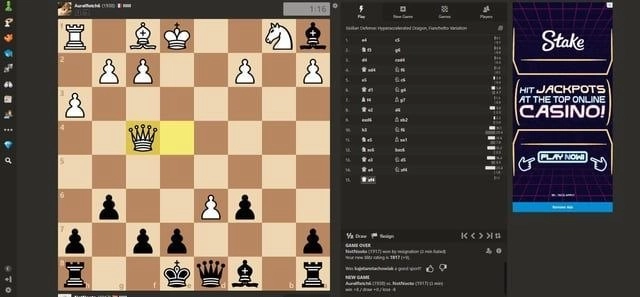



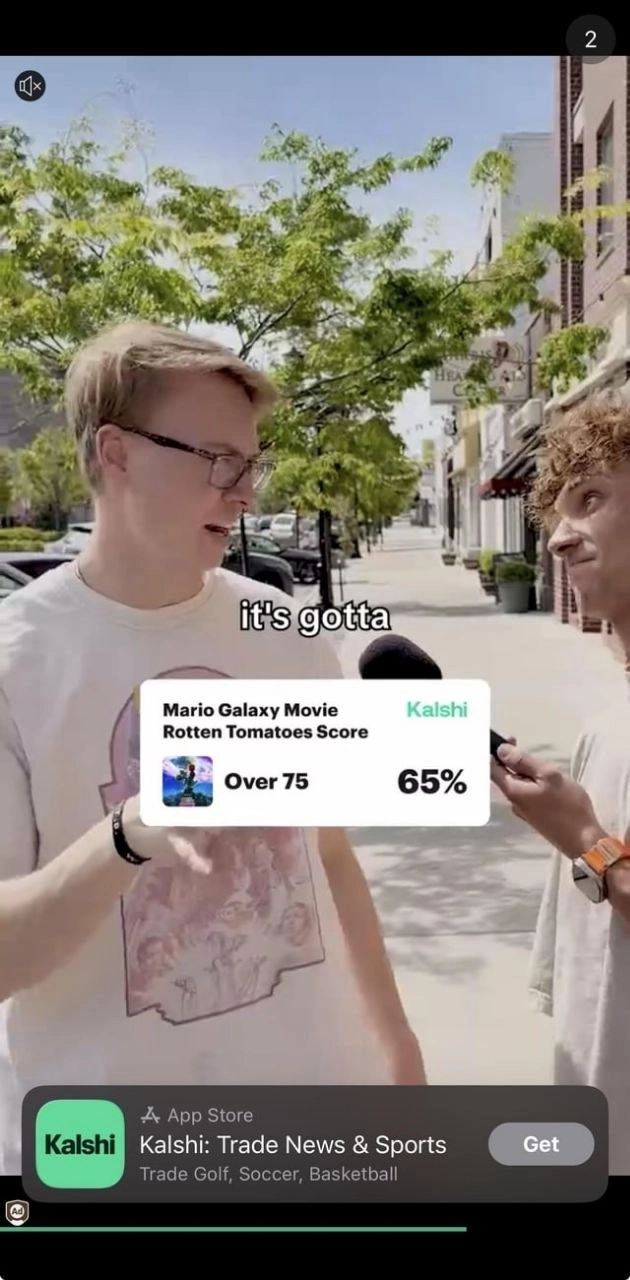
When users complain, these ads are removed, but the problem does not disappear. One set of creatives is taken down, and another appears in its place. At that point, it no longer looks like a one-off moderation miss. It looks more like a constant attempt by advertisers to find a loophole in the platform’s rules.

A separate question is why chess players, specifically. The answer seems fairly obvious. This is an audience that likes to analyse, calculate probabilities, argue about odds, and make decisions under time pressure. For brands built around betting, prediction markets, and risky financial mechanics, that kind of user looks almost ideal.
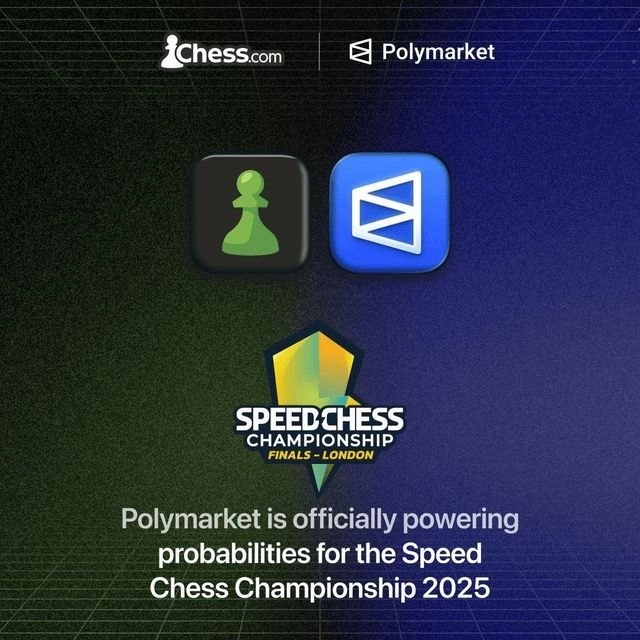
Chess.com is also no longer isolated from this industry. Polymarket has been an official partner of several chess tournaments, and Kalshi ads run regularly. So this is not only about grey-area creatives that someone pushed through the wrong category. The connection between chess and prediction markets is gradually becoming a normal part of the advertising landscape around major chess events.
And that is where the line starts to blur. On one side, prediction markets like to present themselves as analytics, finance, and an intellectual game of probabilities. On the other, for an ordinary user, the mechanic is very close to betting: you choose an outcome, risk money, and wait for the result. On a chess platform, that feels especially natural — but that is exactly why it raises questions.
Chess.com is unlikely to want to turn into a gambling showcase. But if the ad system allows advertisers to bypass a direct ban through adjacent categories, moderators are left constantly putting out fires after the ads have already appeared. Advertisers, meanwhile, seem willing to test this channel again and again.

Chess has long since stopped being a quiet niche for people who like evening games. It is media, streams, influencers, tournaments, sponsors, and a huge young audience. So it is already too late to be surprised by gambling brands’ interest. The more important question is where Chess.com will draw a real line between financial products, prediction games, and outright gambling.
Olivia Grant is an iGaming news reporter at CasinosInCanada who covers casino industry updates, regulations, and market developments.