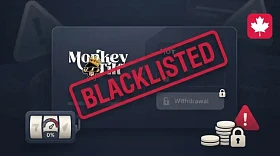





Rollbit blocked a player with a balance of around $250,000 over VPN use and breaches of the rules
The story involving Rollbit is another reminder that using a VPN at a crypto casino is not a clever life hack, but a ticket to a very unpleasant dispute with support, especially when serious money suddenly appears in the balance.
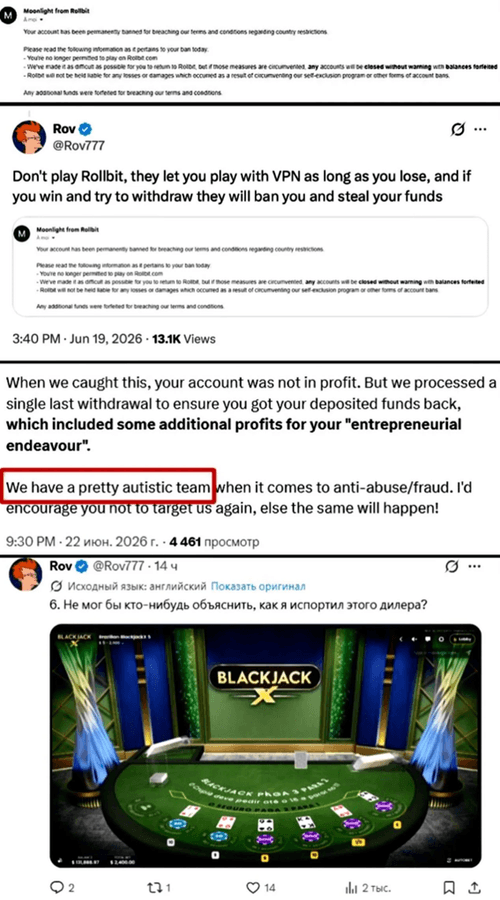
The player says he had been accessing Rollbit through a VPN for a long time from a country where access to the platform is prohibited. While he was losing, he says the casino did not raise any serious concerns. On top of that, the user insists that Rollbit allegedly knew how he was logging in and did not stop him from continuing to play.
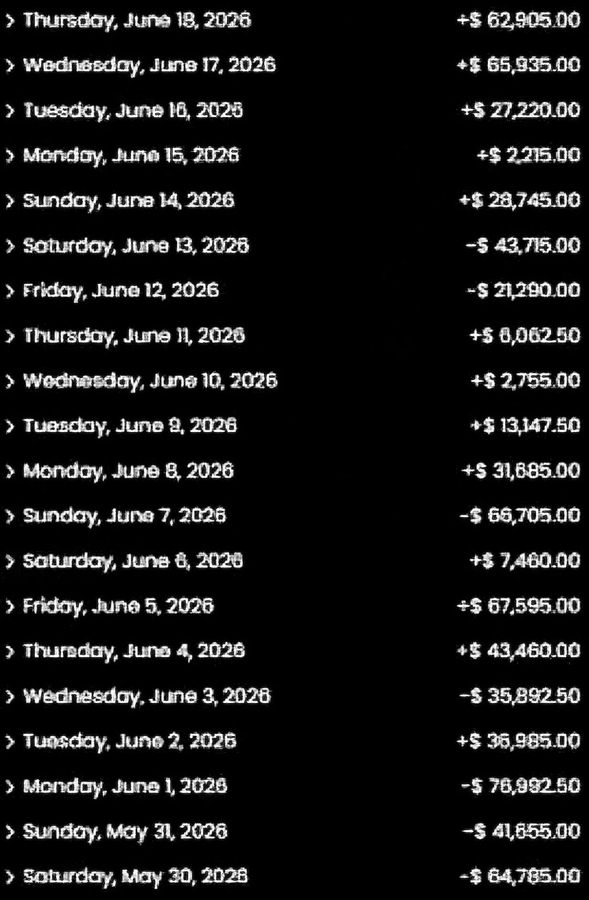

From a legal and user perspective, this looks unpleasant, but not especially surprising. If a casino explicitly prohibits play from certain countries and a player accesses it through a VPN, a large withdrawal will almost certainly put that account under review. While money is going into the casino, the conflict may never surface. When money needs to be sent back to the player, the rules suddenly become the main argument.
The player himself believes Rollbit acted selectively: losses were accepted calmly, and after he won, the restrictions were suddenly remembered. But there is another side to this as well. Expecting a crypto casino to send a large sum into a prohibited jurisdiction after a review was, at minimum, naive. Especially now, when operators are becoming increasingly cautious about geoblocking, KYC, traffic sources and any attempts to get around the rules.
Another layer to this story appeared after a comment from a Rollbit representative. He said the player had allegedly been caught colluding with a dealer during a blackjack game even before the major win. The user denies this. The casino representative also described the team’s anti-fraud approach in fairly rough terms, making it clear that attempts to cheat the system are investigated there in painstaking detail. The wording was so clumsy that it became a separate talking point in itself.
At the end of the day, the story reads like a warning for anyone who sees a VPN as a universal pass into any crypto casino. Technically, it is possible to get around a block. But withdrawing a large win after that is a completely different task. And if the account was registered in breach of the rules, the casino has a convenient and formally understandable reason to close the issue in a way that does not favour the player.
For players from countries with restricted access, this can become a new painful scenario: first, deposits go through without much noise, then a major hit lands, and after that comes the review, the block and the dispute, where the odds are no longer on the user’s side. These stories come with a lot of emotion, but the ending is usually the same: the rules are read too late, when the money is already stuck.

Mark Patterson is the news writer at CasinosInCanada who covers the latest developments in the iGaming industry, including casino launches, regulations, and market updates.