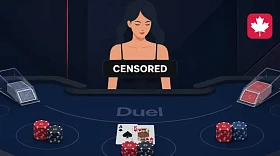





Poker Tips for Beginners: How to Play Smarter from the Start
Poker is one of those games that looks simple until you actually sit down and play it with real money involved. The rules can be learned quickly. Playing well is another story.
For beginners, the goal should not be to “crush the table” or copy aggressive poker clips from streamers. Most new players lose money because they play too many hands, chase weak draws, bluff randomly, and treat every lost pot like a personal insult. That is not strategy. That is just an expensive mood swing.
This guide keeps things practical. No fantasy promises, no “secret system,” and no pretending that poker is easy money. These poker tips for beginners are about building habits that make your game cleaner, calmer, and less reckless.

Learn the Rules Before You Think About Strategy
Before you worry about advanced poker theory, make sure you understand the basic rules of the version you are playing. Texas Hold’em is the most common format online, but poker can also include Omaha, Caribbean Stud, Three Card Poker, video poker, and other casino-style variants.
That matters because not every poker game works the same way. In Texas Hold’em, you play against other players. In many casino poker games, you are playing against the dealer or a paytable. The strategy, pace, and risk are different.
At a minimum, beginners should know:
- poker hand rankings;
- how betting rounds work;
- what blinds or antes are;
- when they can check, bet, call, raise, or fold;
- how the pot is awarded.
It sounds basic, but many people skip this part and then wonder why they feel lost after the flop. Poker punishes confusion quickly.
Start with Fewer Hands, Not More
One of the most useful beginner poker tips is also one of the least glamorous: play fewer hands.
New players often want action. They call with weak cards because “anything can happen.” Technically, yes, anything can happen. That does not mean it is worth paying to find out.
Strong starting hands give you fewer difficult decisions later. Weak hands create messy situations where you are guessing, chasing, or hoping the other player is somehow even more confused than you are.
You do not need to wait only for pocket aces. But you should avoid playing every suited card, every low pair from bad position, and every hand that looks “almost good.” Almost good is where many beginner bankrolls go to die.
#casinos_limewin#
Position Matters More Than Beginners Think
Position means where you sit in relation to the dealer button. In poker, acting later in a betting round is usually better because you get to see what other players do first.
Beginners often focus only on their cards. Experienced players also care about position. A hand that is playable from late position may be risky from early position because you have less information and more players behind you.
Here is the simple version: when you are early to act, be more careful. When you are late to act, you can sometimes play a wider range of hands because you have more information.
This does not mean you should become wild on the button. It just means position should be part of your decision, not an afterthought.
Don’t Chase Every Draw
A draw is a hand that is not strong yet but could become strong if the right card appears. For example, you might need one more card to complete a flush or a straight.
Draws can be valuable. They can also become traps.
Beginners often call too much because they are emotionally attached to what could happen. Poker is not about what would be nice. It is about whether the call makes sense compared with the size of the pot, the bet, and your chance of improving.
If the bet is large and your chance of hitting the card is small, calling is usually a bad habit. Even when you hit sometimes, the long-term result can still be poor.
That is the uncomfortable part of poker: winning one lucky hand does not prove the decision was good.
Manage Your Bankroll Like It Actually Matters
Poker bankroll management is not the most exciting topic, but it is one of the biggest differences between a beginner who lasts and a beginner who reloads every weekend.
Set a budget before you play. Not during the session. Not after you lose the first buy-in. Before.
For Canadian players, this means deciding how much CAD you can afford to risk without affecting bills, savings, or anything important. Poker money should be entertainment money. If losing it would create stress, it is too much.
A few simple rules help:
- avoid playing at stakes that feel uncomfortable;
- do not move up limits just to recover losses;
- separate poker funds from everyday money;
- stop when you are tired, tilted, or chasing.
Poker has variance. Even good decisions can lose in the short term. A bankroll gives you room to survive that variance without making desperate decisions.
Learn to Fold Without Taking It Personally
Folding feels boring. It can also feel weak, especially when someone keeps betting into you. But folding is not surrender. It is one of the most important skills in poker.
Beginners often call because they “want to see it.” That curiosity costs money.
You do not need to prove that someone is bluffing every time. You do not need to defend every blind. You do not need to chase a hand just because you already put chips in the pot. Money already in the pot is gone. Your decision is about whether putting in more money is worth it now.
Good players fold constantly. They just do it quietly, without turning it into drama.

Watch the Table, Not Just Your Cards
Your cards matter. So does everyone else’s behaviour.
Pay attention to how people bet. Some players are passive and only raise with strong hands. Others bet too often. Some chase draws. Some fold under pressure. Online, you may not see faces, but you can still observe timing, bet sizing, and patterns.
Beginners often miss this because they are too focused on their own hand. But poker is a game of incomplete information. Every small clue helps.
Do not overread one hand. One weird bet does not reveal a player’s soul. But patterns over time are useful.
Keep Bluffing Simple
Bluffing is part of poker, but beginners usually bluff too much or at the wrong time.
A good bluff tells a believable story. A random bluff is just a donation with confidence.
Before bluffing, ask yourself: would I play a strong hand this way? If the answer is no, your bluff may not make sense. Also consider who you are bluffing. Some players hate folding. Trying to bluff someone who calls everything is rarely clever. It is just expensive theatre.
At beginner levels, value betting strong hands clearly is often more profitable than trying to run sophisticated bluffs. Save the fancy moves for later.
Online Poker and Casino Play in Canada
Canadian players should be especially careful when choosing where to play. Availability, payment methods, responsible gambling tools, and rules can vary depending on the operator and province. Ontario has its own regulated iGaming market, while the broader Canadian landscape is not identical everywhere.
If you are comparing casino options, look beyond the welcome offer. Check game selection, withdrawal conditions, bonus terms, support quality, and whether the site gives you clear information before you deposit. Reviews such as Slotsgem, Limewin, and Woocasino can be useful starting points, but the final check should always be yours. Terms can change, and poker or table game availability may depend on the casino, region, and account status.
Common Beginner Poker Mistakes
Most beginner mistakes are not mysterious. They are emotional.
New players play too many hands because folding feels boring. They call too often because they want closure. They bluff because they saw someone do it on a stream. They increase stakes after losing because they want the session to “make sense” again.
That last one is especially dangerous. Poker does not owe you a comeback.
A better beginner mindset is slower and less dramatic. Play solid hands. Respect position. Fold more than your ego wants to. Take breaks. Keep the stakes modest. Review difficult hands when you are calm, not when you are annoyed.
You will still lose hands. Everyone does. The point is to avoid losing extra money through avoidable mistakes.
Verdict
The best poker tips for beginners are not flashy. Learn the rules, play fewer hands, respect position, manage your bankroll, and stop treating every pot like a personal battle. Poker becomes much easier to understand when you stop chasing action and start making cleaner decisions. That will not guarantee profit, but it will keep you away from the worst beginner habits — and that is already a useful start.
Amanda Shimmer is the Chief Editor at CasinosInCanada and an experienced casino expert who ensures all guides, reviews, and industry investigations remain accurate, transparent, and helpful for players.