





Is it possible to collect a slot in a day — and why Stake Engine is discussed on every corner
In recent months, there has been a lot of hardcore hype around Stake and their "Stake Engine": they say, SDK + RGS + audience = you can instantly build a game and start earning. The platform really positions itself as a "launchpad" for creators: front-end SDK, built-in math-engine, balancing tools and analytics, plus distribution within the Stake ecosystem.
But marketing is one thing, and the full life cycle of a high-quality slot (mathematics, tests, honesty control, retention analytics, regulation) is quite another. Below is an honest analysis point by point with facts and examples.
How the slot is usually made
A typical development cycle of an online slot (a small studio > a major release) includes: idea and concept, prototype, front/back writing, graphics and sound creation, math-engine and RNG integration development, long-term testing (including math-testing), bug fixes, certification/audit (depending on the market), release, and post-release support/balance. Depending on the complexity and the team, it is from several months to a year (and sometimes more). Industry sources cite a range of "a few months to a year/a year and a half" for medium and large projects.
The key "brakes" that usually eat up time are: fine-tuning of mathematics (math model), testing of RNG and edge cases, load testing and integration of payments/logging/security, and in a number of jurisdictions — external certification.
What exactly does Stake Engine promise?
In short, Stake Engine is a remote RGS + set of tools (front-end SDK, built-in math-engine, balancing tools and real-time analytics), plus access to the Stake platform and audience. The platform is positioned as a way to remove the "bureaucracy" of infrastructure and give a quick way to the market.
A few figures that are often cited in the news: games made through the platform allegedly generated approximately $3.31 billion in turnover over the past year; The platform has attracted thousands of developers (in some publications - "more than 4,000"); Stake's infrastructure is claimed to be capable of processing over 1 million bets per second. This data comes from the company's statements and specialised publications.
The commercial model is also atypical: Stake offers 10% of the GGR to the developer (payouts monthly). This is noticeably lower than the levels of stakes that are often discussed in the industry in other types of publishing/publishing deals, which is why it is touted as a "fast track to money" but with yield concessions.
Examples: why it seems that everything can be done "very quickly"
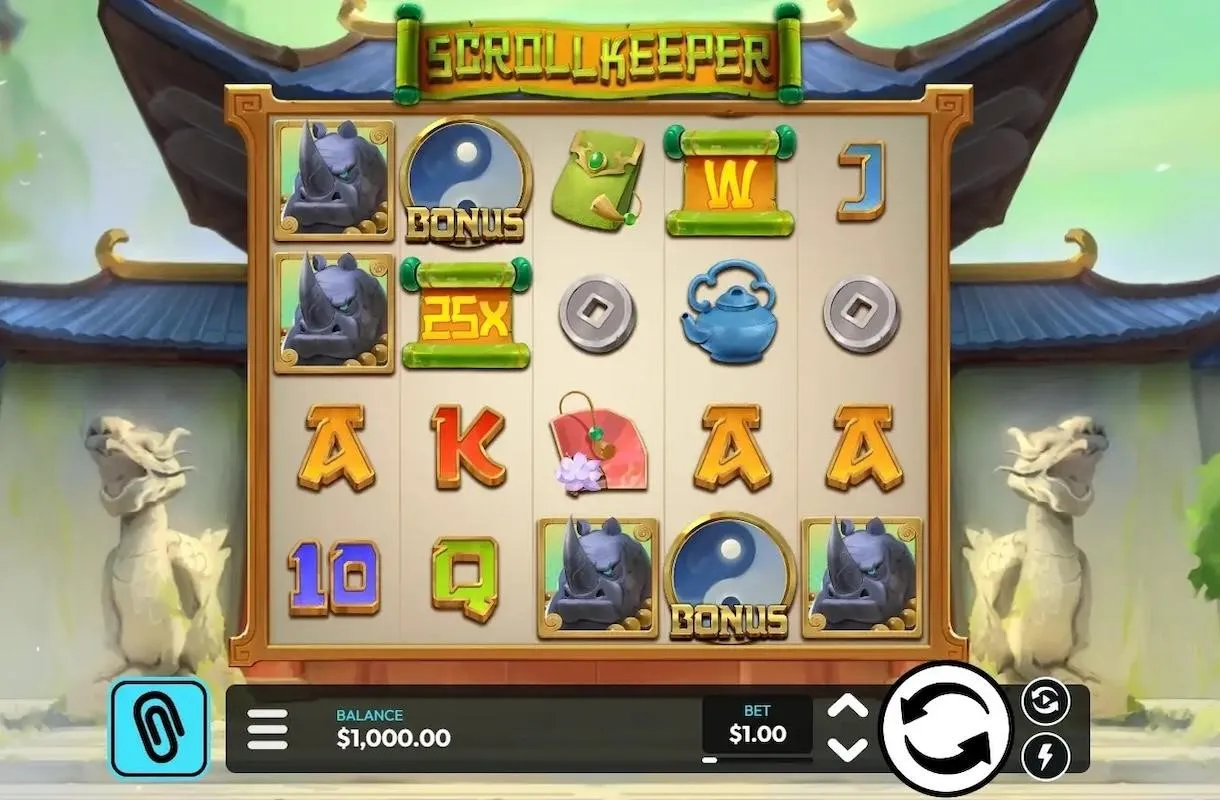
There are cases: Scroll Keeper (Paperclip Gaming) — more than 1 million bets in the first week after the release on Stake; other indie projects and studios (Pixel Farm, Pixel Cafe, Twist, etc.) also showed fast rates figures. These are real media publications — it's a fact: games received high early traffic within the Stake ecosystem.
It is important to understand that a high volume of bids in the first weeks is often more related to the traffic and attention of the platform (audience + promos within the site) than to long-term retention or LTV. This gives a quick result for the operator and a chance to "test the hypothesis" for the author. But this does not equal the fact that the game is of high quality and will bring stable in a year.
Is it possible to make a slot in 24 hours? – technical analysis by stages
The short answer is yes – but with a big reservation. What can be done in a day and what is not:
- What is real in 24 hours
- Build a prototype on a ready-made SDK: interface, basic frontend, visual skeleton, and simple math script. Stake Engine as a platform is positioned in such a way that it provides templates/tools that allow you to quickly assemble the "appearance" and basic logic.
- Run an A/B test or a minimum wage within the platform, if the rules of the platform allow it, and get the first metrics.
- What won't work out in 24 hours (almost certainly)
- A high-quality math model for predictable RTP behaviour in the long run and a correct volatile profile is theory, practice, and simulations on millions of spins. Usually it takes days to weeks.
- Full-fledged QA: load testing, edge case checking, security, checking for RNG/crypto vulnerabilities. These tests require time and runs under load.
- Regulatory checks and certifications (if the game is designed for markets with licensing) — often weeks/months.
Bottom line: in 24 hours, you can get an MVP/demo, a workable "prototype" on the site, and the first engagement data. But a finished product of high quality, with proven mathematics, security, and predictable LTV is not.
Why platforms like Stake are beneficial to operators and who are developers useful for?
For the operator (Stake): the flow of content, a quick influx of new games without development costs – more activity, more bets, more GGR. The operator benefits from a high frequency of releases and fast hype roller coasters.
For indie developers: a chance to reach a large audience without investing in infrastructure and marketing; a quick test of hypotheses and getting the first money through revshare (10% GGR). This is especially interesting for beginners and small studios.
But there are pitfalls: a low royalty percentage (10%) — less income with high competition; the need to constantly release new games to maintain visibility; the risk of quick burnout of the idea and "burned" LTV. If the game does not retain the audience, the first weeks give a surge in bets, and then a fall.
Risks that media releases tend to keep silent about
- Content oversaturation. When hundreds of similar mini-slots come out, attention is blurred — the average visibility cycle of the game is shortened.
- Quality of mathematics. Quick math mixing can lead to unpredictable payouts and retention and reputation issues.
- Monetization and share. A 10% GGR in the long run is not enough if the product turns out to be evergreen; many studios are used to higher percentages in contract models.
- Regulatory and legal risks. Games that arrive quickly may not pass strict checks in individual jurisdictions – and then their distribution boundaries will be limited.
Practical advice for developers
- Use Stake Engine to test hypotheses, but don't rely on it as your only source of income. A quick test of ideas is great, but keep a plan to refine the winning hypotheses.
- Prioritise math tests: even a simple prototype requires simulations on millions of spins to understand how the game will behave for different bets.
- Think about retention: the mechanics for retention (progression, events, return triggers) are more important than the next "viral" premiere.
- Compare trades: 10% GGR is fast money, but do the calculation: how much is needed to cover the costs and earn. For a successful long-term game, it is more profitable to have a slightly slower, but more profitable channel.
Conclusion – should we believe the headlines "slot in 24 hours"?
The headlines are partially true: technologically, on a platform like Stake Engine, you can assemble and load the base game very quickly, access the audience and see the first metrics; real cases with a million bets per week confirm this.
But a "slot in 24 hours" is more about MVP and marketing, rather than about a complete, certified and sustainable product. For a stable income, good LTV and no risks, you need additional weeks/months for mathematics, tests and retention work Strategy.
Amanda Shimmer is the Chief Editor at CasinosInCanada and an experienced casino expert who ensures all guides, reviews, and industry investigations remain accurate, transparent, and helpful for players.
























Everything is possible, but why
Their slots are shit
I like QA: if you think you can skip tests, you're wrong. You can lose all users in one bug
Fast and cheap - a working strategy for indie